Talk therapy to help you make long-term, meaningful change
Dr. Kassel helps adults and adolescents build the lives they want by identifying and shifting old patterns and discovering new perspectives. He is a clinical psychologist with 30+ years of experience working at some of the country’s leading universities and in private practice. He practices in California, New York and Massachusetts.
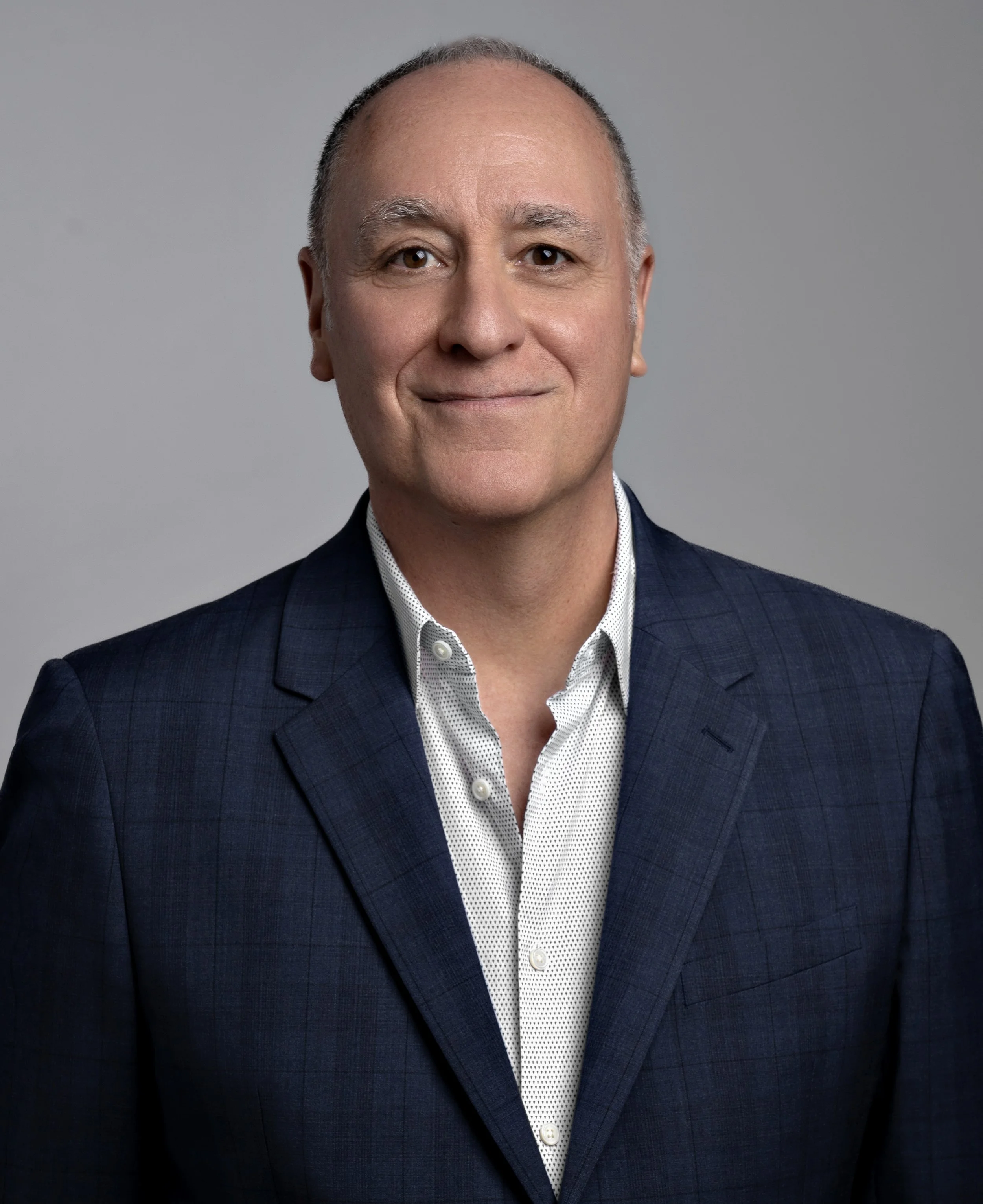
about DR. KASSEL
Licensed Psychologist, California PSY 21958
Licensed Psychologist, Massachusetts 4816
Licensed Psychologist, New York 02837
As a licensed clinical psychologist with over 30 years of experience in clinical practice and in training professional therapists, I can help you better understand the origin and solutions for the complex issues you may be facing. My expertise is in offering effective brief and longer-term psychotherapy for adolescents, adults, and couples based on scientifically proven methods.
I received a BA in psychology from UCLA and earned a doctorate in clinical psychology from the University of Denver. Next, I completed a doctoral internship and postdoctoral fellowship at Harvard Medical School/Beth Israel Deaconess Medical Center. I undertook specialized fellowship training in adolescent and family mental health training at Harvard Community Health Plan.
Until 2020 I served at UCLA, training the next generation of mental health professionals to provide the highest quality care in the context of ethical professionalism and a trusting relationship. Before that, I held the same position for 15 years as Training Director at Harvard Medical School/Beth Israel Deaconess Medical Center in Boston.
I have continuously maintained a private practice in addition to faculty appointments and responsibilities at Harvard Medical School, MIT, and UCLA.
Employment
2007-2018: Director of Training and Chief Administrator, UCLA Counseling and Psychological Services
2018-2020: Senior Staff Psychologist at UCLA Counseling and Psychological Services
1988-2005: Assistant Director of Psychology and Psychology Training & Director of Inpatient Psychology, Harvard Medical School/Beth Israel Deaconess Medical Center
1988-present: Private practice, Boston and Los Angeles
Faculty and other appointments
2008-2020: Assistant Professor of Psychology, UCLA
1986-2011: Assistant Professor of Psychology, Harvard Medical School
2012-2019: Member, American Psychological Association Division 44 Education and Training
2002-2008: Board Member and Vice-President of GLAD
1996-2002: New England Institute for Gay and Lesbian Studies, Faculty and Advisory Committee
1995-1997: Commissioner and Committee Co-Chair, Massachusetts Governor's, Commission for Gay and Lesbian Yout
WhO I CAN HELP
adults & adolescents
Effective talk therapy helps you to gain greater control over your life, improve personal relationships, increase positive emotions as you get relief from distressing emotional issues, and become more engaged in your life at home, work, and school. Therapy can also help you to change lifelong ways of coping that aren't working well right now, and to derive more pleasure, satisfaction and meaning from your life.
To be effective, therapy has to address your life situation and goals. When you are ready, here are some difficulties I can help you with:
Achieving greater happiness
Develop greater insight and self awareness
Improving mood and reducing distress
Lessening anxiety, worry, and other forms of stress
Addressing procrastination
Enhancing your self-esteem and self-image
Improving and strengthening relationships
Decreasing self-defeating thoughts, feelings and actions
Addressing concerns about sexual orientation or identity
Reducing problematic behaviors or habits
Enhancing resilience, emotional control and growth
Clarifying your values and goals increasing your sense of hope about the future
Increasing your sense of hope about the future
mental health Professionals
For over 30 years, I have maintained a private practice and served as a faculty and staff member at UCLA, MIT and Harvard Medical School/Beth Israel Deaconess Medical Center.
As director of training programs for psychologists and other mental health professionals in hospital and healthcare settings, I provided education, consultation and clinical supervision to psychologists, psychiatrists, nurses, social workers, and MFTs. These combined professional experiences have helped me develop a breadth of knowledge and expertise in the following two areas.
I offer treatment , supervision and consultation for psychologists, psychiatrists, social workers, and masters level therapists. I strive to create a space promoting personal and clinical flexibility and the development of unique clinical voices rather than imposing any one style or ideology. A commitment to multicultural awareness and competence is a cornerstone of my practice.
Psychotherapy Services
Having trained therapists of all kinds for many years, I know first-hand about the incredible professional and personal importance and value of one’s own psychotherapy. I specialize in offering these services to mental health professionals, physicians, nurses, and other healthcare professionals. I provide some reduced-fee psychotherapy times available for training mental health professionals (psychologists, psychiatrists, nurses, social workers, and MFTs).
Consultation and Supervision
These services are for mental health professionals seeking an experienced clinician’s perspective and recommendations for treatment & who want to deepen their clinical work, find more effective ways of working with their patients, and develop or grow a successful private practice.
I am a particularly good fit for newer and experienced clinicians seeking guidance in case conceptualization, diagnosis and treatment in complex cases, therapists who are struggling to feel connected to a theoretical orientation, and those interested in some of my areas of specialization.
my approach
The decision to begin psychotherapy is a sign of resilience, self-awareness, and inner strength. Sometimes, the same self-reliance and determination that contribute to our personal, professional, and academic success can get in our way and leave us feeling isolated and reluctant to reach out for support. Effective talk therapy involves helping you to gain greater control over your life, develop greater insight and resilience, improve personal relationships, increase positive emotions as you get more relief from distressing emotional issues, and become more engaged in your life at home, work, and school. Therapy can also help you change lifelong coping methods that aren't working well right now so you can derive more pleasure, satisfaction, and meaning from your life.
I have extensive experience working with those who may feel stuck, sad, demoralized, or increasingly anxious and whose usual ways of coping may not be working well right now. I strive to be warm, engaging, collaborative, compassionate, and inclusive. I will listen closely to you, ask questions to promote your curiosity and awareness, offer feedback, support, and insight, and introduce you to skills to help identify and soothe difficult feelings. You'll be encouraged to gradually integrate changes into your daily life to help you move toward the life you want to live.
The evidence-based therapy techniques and perspectives I use are based on methods that are scientifically proven to be effective. My integrative therapy approach incorporates over thirty years of clinical experience in practicing therapy using insight-oriented, psychodynamic, cognitive-behavioral, and acceptance and commitment perspectives. A powerful form of cognitive behavioral therapy, Acceptance and Commitment Therapy (ACT) is an empirically-based treatment that uses acceptance and mindfulness strategies and commitment to behavior change strategies to increase your psychological flexibility. The goal of ACT is to create a richer and more meaningful life and to learn to cope with and accept those inevitably painful moments you face. ACT helps us feel less "stuck" when we cannot change challenging life circumstances while also empowering us to move forward in ways that leave us feeling less distressed, calmer, and eventually happier in our everyday lives.
I offer brief or longer-term therapy customized to your life situation, interests, and the issues you wish to address. Depending on your goals, the duration of therapy may be short-term or long-term, and the frequency may be weekly or more than once a week. Psychotherapy sessions take place in my Beverly Hills office or via teletherapy (video or phone) and typically last 50 minutes. Teletherapy allows for more flexible ways of meeting. It is helpful when face-to-face sessions cannot occur due to illness, unexpected work and/or travel obligations, childcare needs, or other issues.
See FAQ for information about how psychotherapy can help you.
FAQ
-
Adults and adolescents who want help in addressing some of the following: sadness and depression, worry and other forms of anxiety; relationship issues; self-esteem; resilience; challenging professional lives/situations or transitions; sexual orientation or sexual identity issues; issues faced by gay men, lesbian women, bisexuals and people who are gender non-binary or non-conforming; procrastination; and increasing your sense of hope about the future.
You may have made efforts to improve your situation already - or, friends or family may have tried to help. When your usual ways of doing and feeling better aren’t working as well it’s time to consult a psychologist.
-
Talking things over in a safe and private environment allows you to:
Develop skills to feel and function better & to thrive in your life
Better understand your thoughts, feelings and actions
Identify self-defeating or destructive patterns of behavior
Work on developing more honest relationships to better meet your needs
Lessen the way that the past interferes with the present
Expand your creative potential
With persistence, you should be better able to:
Make choices better aligned with your goals and values by understanding your needs, emotions, and reactions (and how others perceive them) more fully
Feel better by enhancing your emotional resilience and coping skills, and by coping more effectively with the ups and downs in life
Understand and loosen the grip of the past so you can live more fully in the present
Cultivate greater intimacy, happiness and success in your relationships and/or work
Navigate the transitions in your life more successfully
Expand your potential for creativity and innovation
-
During a brief phone consultation, my goal is to understand if I feel I have the skills to be helpful to you and to give you the opportunity to ask questions. I will ask about what leads you to seek therapy now.
You’ll gain the most from a therapist who is a good fit/match for you, so our brief phone call will also help you gain some information about this important factor. If we both agree to go ahead, the next step is to schedule an initial 50 minute consultation appointment.
-
My goal is to help to build your comfort and trust from the outset. It’s normal to feel a bit anxious in the first few sessions. Psychologists are trained to help set the tone and in getting things started. After introducing ourselves I’ll ask about topics such as why you are considering therapy now, your current situation, life, and history, and what concerns or worries you. If you have seen a therapist before, it would help to know about that too. After developing an understanding of your goals, we will talk about how therapy might help.
You will also have plenty of opportunity to ask any questions you have for during our initial consultation and throughout our collaboration together.
If we both agree that I am a good fit for you, we’ll develop a plan to meet your needs. I will explain our mutual roles and how you can get the most out of psychotherapy.
In some cases, I may not be able to offer the kind or level of care you need. In that situation I will offer you referrals to better options in the community.
-
A professional, warm and inclusive collaboration that fosters respect, trust, empathy from both of us
A supportive atmosphere that helps you understand how to use psychotherapy in making meaningful life changes. To achieve this I rely on scientifically-proven therapy methods
Careful listening and attention coupled with compassion and insight
Engaged support in facing the difficult situation(s) you may be in
Honesty about what is important to you
Attention to past and present challenging family, social, cultural and other dynamics
A “person specific”, non-formulaic approach that doesn’t come from a manual or textbook
-
Weekly sessions are ideal for most people, particularly if you are experiencing distress that interferes with important areas of your life like work, school, relationships, and/or health. On occasion, meetings may take place more frequently. Regular meetings are especially useful at the start, and assist in maintaining progress from session-to-session. Scientific research demonstrates that improvement happens more quickly in therapy that occurs at least weekly. Research suggests that therapy is less effective when several weeks occur between visits because it’s much harder to follow-up on recent developments, your responses to treatment and therapy goals. Over time, biweekly visits may be appropriate.
-
There are many ways people experience change and growth. With persistence in psychotherapy, these can include:
An improvement in your outlook and mood; you may just “start to feel better” and more effective
Less sadness and stress, and greater hope
Improvements in relationships, work and/or school
Increased intimacy, happiness, and success in your relationships
Expanded self-awareness
Greater comfort within yourself
Fortified self-worth
A decrease in self-defeating patterns
Greater emotional resilience with the ups and downs in life
Increased vitality, motivation, and creativity or innovation
Greater connection to your values and goals
More success in navigating the transitions in your life
The efficacy and impact of our work will be an ongoing focus of our collaboration.
-
Payment is requested at the time of service via credit card, cash or check. I do not bill insurance companies directly. PPO and POS insurance plans may reimburse you for a portion or all of the fee. You are responsible for contacting your insurer to understand or clarify your benefits. If you plan to request reimbursement from your h ealth insurance company, I will provide you with a monthly Superbill indicating your payment and other information that is required.
I offer reduced-fee psychotherapy for mental health professionals in training (psychologists, psychiatrists, nurses and MFTs) and occasionally to others if I have the availability.
I welcome your call to discuss payment or questions about submitting a request for reimbursement from your insurer.
-
Any of these three methods:
Click on the Contact link, and submit your information.
Call me at 323-599-1300
Email me at doctorkassel@gmail.com. Please include your phone number with your email.
Contact
CALL (323) 599-1300
OR SUbmit form below
LOCATED AT
9777 Wilshire Blvd., Suite 907, Beverly Hills 90212
PARKING
The building offers valet parking accessed from S. Santa Monica Blvd. From S. Santa Monica Blvd., turn south on N. Linden Dr. and right into garage.
On-street metered parking is available on S. Linden Dr., north or south of Wilshire Blvd. The distance to 9777 Wilshire Blvd. is 1 block. Street parking is accessed via S. Santa Monica Blvd., Wilshire Blvd., or Charleville Blvd.
Beverly Hills public parking structure SM-5 is located nearby. The distance to the building is 1-2 blocks. To enter this structure, from S. Santa Monica turn north on Roxbury Dr. Pay for parking at the machine located on the ground or roof level. The west side of this structure is closest to my office.